 Fellow Canadians: All inFlow plans are available in Canadian dollars






Key takeaways
- There are 7 types of contractors: concrete, mason, roofer, electrician, plumber, HVAC and general contractor. Each plays a unique role in construction and field service projects.
- General contractors oversee entire projects, which include managing timelines, budgets, and subcontractors. They deal directly with the client and act as the liaison, ensuring all the client’s needs are met.
- Subcontractors are hired by general contractors to complete specific tasks such as plumbing, electrical work, or painting.
- Choosing the right type of contractor depends on the project’s size, complexity, and the skills required.
- Proper contractor classification helps reduce risks and ensures compliance with local building codes and labor laws.
There are many different types of contractors in the field service industry. It makes sense when you think about it, considering that much of the industry involves construction. No matter the building, there’s a few things that they all need: a foundation, electricity, plumbing, HVAC systems, etc. Properly building and installing these things require very different skill sets, which is why there are so many different contractor types.
So: what types of contractors are out there? What is each of them responsible for? And what sort of unique challenges do each of them face?
What are the different types of contractors?
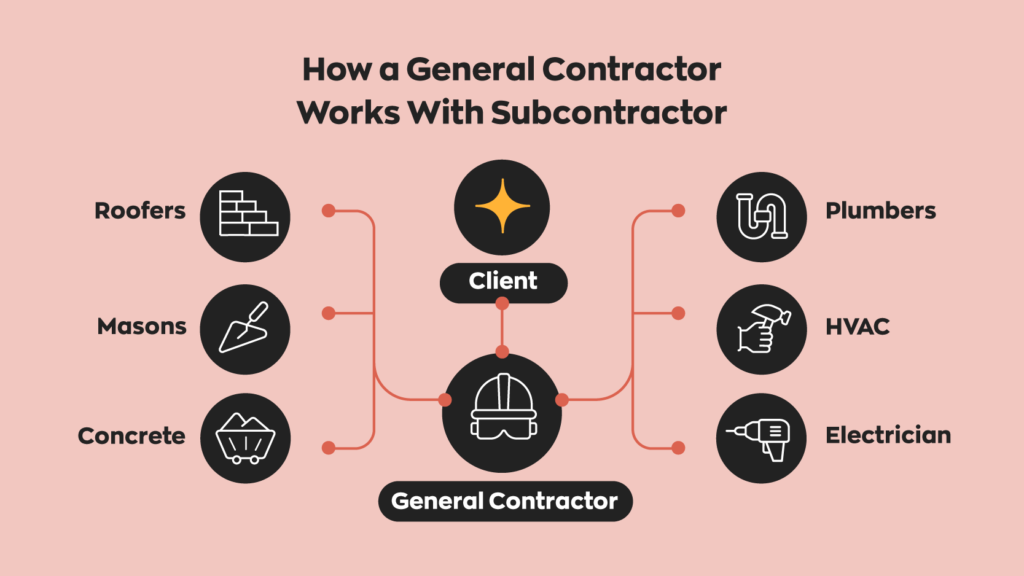
Depending on your specialization, you’ll generally fall into one of these six categories of contractor types; concrete, mason, roofer, electrician, plumber, and HVAC. The seventh type of contractor is a bit different than the others because rather than focusing on a single niche area of expertise, they bridge the gap between all the other contractors to ensure they’re working in conjunction with one another.
We’ll go into more detail on what a general contractor does later. For now, let’s talk about the other six types of contractors.
Exterior specialty contractors
Exterior specialty contractors handle anything related to the outside of a building, including roofing, masonry, and concrete work. These contractors are typically responsible for foundational construction, durability, and protecting the building from the elements.
Concrete contractor
Concrete contractors build and repair structures made from concrete. They handle mixing, pouring, forming, and finishing concrete, ensuring proper curing and compliance with structural requirements.
Common jobs and materials
Concrete contractors commonly work on foundations, driveways, sidewalks, patios, slabs, and retaining walls. They typically use concrete mixes, rebar, wire mesh, gravel, and sealants to complete these projects.
When to hire a concrete contractor
Hire a concrete contractor for projects involving poured or structural concrete, like new foundations, concrete repairs, or outdoor surfaces. They’re especially important when strength, drainage, and long-term durability matter.
Related trades and handoffs
Concrete contractors often work alongside excavation crews, framers, plumbers, and electricians. Once the concrete is cured, other trades can continue building on top of the finished structure.
Mason contractors
Mason contractors build and repair structures using brick, stone, concrete block, and other masonry materials. Their work focuses on strength, durability, and appearance across both structural and decorative projects.
Common jobs and materials
Mason contractors commonly build walls, chimneys, fireplaces, walkways, veneers, and retaining walls. They typically work with brick, natural stone, concrete blocks, mortar, and grout.
When to hire a mason contractor
Hire a mason contractor for projects involving brickwork, stonework, or block construction. They’re especially useful for structural walls, outdoor hardscaping, and decorative masonry features.
Related trades and handoffs
Mason contractors often work alongside concrete contractors, framers, roofers, and waterproofing crews. Once masonry work is complete, the finishing trades can proceed with insulation, siding, or interior work.
Roofer
Roofers install, repair, and replace roofing systems that protect buildings from weather and water damage. Their work helps keep structures sealed, insulated, and structurally sound.
Common jobs and materials
Roofers commonly work on roof replacements, leak repairs, flashing installation, and roof inspections. They typically use asphalt shingles, metal panels, underlayment, flashing, sealants, and waterproof membranes.
When to hire a roofer
Hire a roofer for projects involving roof damage, aging materials, leaks, or new construction. They’re especially important after storms or when a roof begins to show signs of wear.
Related trades and handoffs
Roofers often work alongside framers, gutter installers, insulation contractors, and siding crews. Once roofing work is complete, exterior finishing trades can continue weatherproofing the building.
Interior specialty contractors
Interior specialty contractors focus on the systems and installations inside a building, including electrical, plumbing, and HVAC work. Their work helps keep buildings functional, safe, and comfortable for the people who use them daily.
Electrician
Electricians install, maintain, and repair electrical systems in homes, commercial buildings, and industrial facilities. Their work ensures buildings have safe, reliable power for lighting, equipment, and everyday operations.
Common jobs and systems
Electricians commonly handle wiring, panel upgrades, lighting installation, outlets, circuit breakers, and backup power systems. They also work with smart systems, security systems, and low-voltage wiring.
When to hire an electrician
Hire an electrician for projects involving new wiring, electrical upgrades, troubleshooting, or code compliance. They’re especially important for renovations, new construction, and any work involving high-voltage systems.
Related trades and handoffs
Electricians often coordinate with plumbers, HVAC technicians, framers, and general contractors. Once wiring is complete, drywall and finishing crews can move forward with the next stage of construction.
Plumber
Plumbers install, repair, and maintain systems that move water, gas, and waste through a building. Their work helps ensure plumbing systems are safe, efficient, and up to code.
Common jobs and systems
Plumbers commonly work on water lines, drains, sewer systems, fixtures, water heaters, and gas lines. They also install sinks, toilets, showers, and other plumbing appliances.
When to hire a plumber
Hire a plumber for projects involving leaks, clogged drains, pipe installation, renovations, or new construction. They’re especially important anytime water, drainage, or gas systems are involved.
Related trades and handoffs
Plumbers often coordinate with electricians, HVAC technicians, framers, and general contractors. Once rough-in plumbing is complete, drywall and finishing trades can continue with the next phase of construction.
HVAC contractor
HVAC contractors install, maintain, and repair heating, ventilation, and air conditioning systems. Their work helps regulate indoor temperature, airflow, and air quality in residential and commercial buildings.
Common jobs and systems
HVAC contractors commonly work on furnaces, air conditioners, heat pumps, ductwork, ventilation systems, and thermostats. They also handle system upgrades, maintenance, and energy-efficiency improvements.
When to hire an HVAC contractor
Hire an HVAC contractor for projects involving heating or cooling installation, airflow issues, system repairs, or new construction. They’re especially important when indoor comfort, ventilation, or energy efficiency is a concern.
Related trades and handoffs
HVAC contractors often coordinate with electricians, plumbers, framers, and insulation crews. Once the ductwork and equipment are installed, the finishing trades can proceed with walls, ceilings, and interior work.
What is a general contractor?
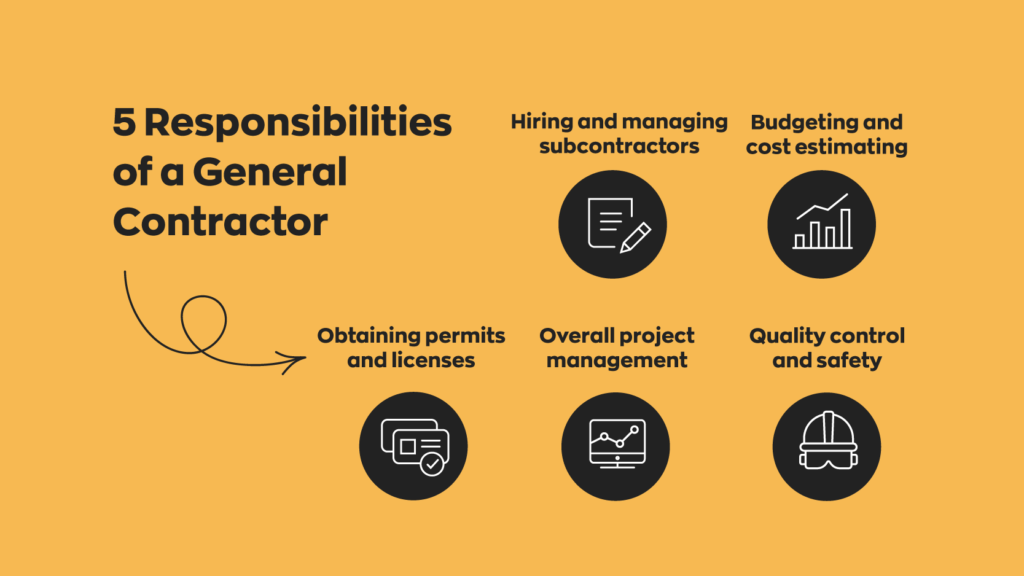
We’ve saved “general contractor” for last because it’s slightly different from the others. General contractors oversee construction projects from start to finish. Instead of focusing on one specific trade, they manage timelines, coordinate workers, source materials, and keep the project moving smoothly. They also serve as the primary point of contact for property owners, subcontractors, suppliers, and inspectors throughout the project.
General contractors often oversee hiring all subcontractors when a project requires specialized skills such as electrical, plumbing, roofing, or HVAC work. This helps ensure each part of the project is completed by a trained specialist. On larger projects, multiple subcontractors may work under a single general contractor simultaneously.
What problems do all types of contractors face?
Different types of contractors typically offer different skill sets but tend to face similar issues, mostly logistics-related. Here’s a high-level look at challenges all contractors face.
- Material availability and reordering: Contractors depend on consistent access to materials to keep projects moving. Without accurate inventory tracking and reordering processes, delays, stockouts, and overordering can quickly become costly problems.
- Tool and asset tracking across jobsites: Specialized tools and equipment are expensive and often shared across multiple locations. Keeping track of where assets are located helps prevent downtime, loss, and scheduling disruptions.
- Scheduling and trade handoffs: Construction projects rely on trades working in the right sequence. Poor scheduling or communication between contractors can delay projects and create bottlenecks on the job site.
- Cost visibility, estimates, and invoicing: Managing labor, materials, and project costs across multiple jobs can get complicated fast. Accurate estimates and invoicing help contractors protect margins and maintain cash flow.
- Licensing, codes, and compliance caveats: Many contractors must follow local building codes, permit requirements, and licensing regulations. Missing inspections or compliance steps can lead to delays, fines, or failed work approvals.
Of course, this list isn’t exhaustive, and there will be a number of challenges that certain types of contractors will have to deal with while others won’t.
What’s the solution?
It’s not uncommon for contractors to run out of materials because of poor inventory management. Something that, as we’ve already established, can lead to issues across multiple teams. If not kept in check, a single issue can cascade into many problems, jeopardizing the project as a whole.
Field management software is a great way to keep these issues in check. While field service projects still face many logistics issues, modern solutions can make things easier for all types of contractors.
On top of perpetual inventory control, inFlow’s field management software works seamlessly with barcodes and easily tracks materials cost. You can even use inFlow to track your assets so you can keep tabs on your most valuable specialized tools.
FAQ
What are the duties of a contractor?
A contractor’s duties depend on their specialty, but most are responsible for handling installation, repairs, or new builds within their trade. General contractors take on a broader role, overseeing timelines, budgets, subcontractors, permits, and client communication from start to finish.
What qualifications are needed to become a contractor?
Most contractors need a mix of hands-on trade experience, a state or local license, and liability insurance before they can legally take on work. Requirements vary by trade and location, but general contractors often need additional certifications since they’re the ones coordinating other licensed professionals and keeping everything up to code.
What are the main differences between a carpenter and a general contractor?
A carpenter specializes in one skill: working with wood to frame, build, or finish structures. A general contractor, on the other hand, oversees the entire project. They hire and manage carpenters (along with other trades), handle the budget, and act as the main point of contact for the client.
What is the difference between a general contractor and a subcontractor?
A general contractor oversees the whole project and answers directly to the client. Subcontractors are the specialists such as electricians, plumbers, roofers, etc. hired by the general contractor to complete specific parts of the job.
What software helps contractors manage materials and projects?
Field management and inventory software help contractors avoid the headaches that come with poor planning, like stockouts, lost tools, or inaccurate estimates. Solutions like inFlow track materials, assets, and costs in real-time, so every contractor on a job, big or small, stays on the same page.
0 Comments